
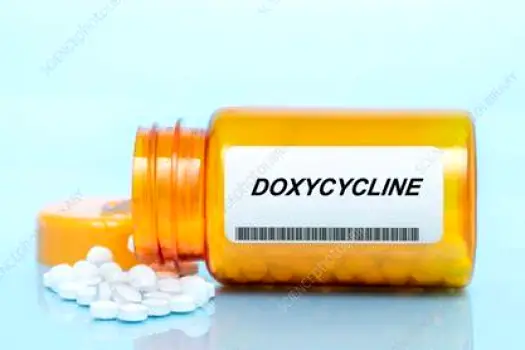
 h2>Short answer: Is alcohol safe with doxycycline?
For most otherwise typical adults, occasional alcohol use is not expected to cause a specific severe reaction with doxycycline or stop the antibiotic from working. A systematic review found that acute alcohol intake did not affect doxycycline levels enough to interfere with therapeutic concentrations, although the available evidence is limited.
That general answer does not apply equally to every situation. Chronic or heavy alcohol use, liver disease, significant illness, multiple medicines, or uncertainty about the prescription may change the advice. People in these circumstances should ask a pharmacist or prescriber before drinking rather than relying on general information.
Doxycycline also should not be treated as interchangeable with every other antibiotic. Some medicines, including metronidazole and tinidazole, have different alcohol warnings. The absence of a comparable warning for doxycycline does not mean that alcohol is universally harmless during an infection or that it cannot worsen side effects or make recovery more difficult.
The small studies behind the reassuring conclusion have important limitations. They involved few participants and examined specific alcohol exposures, not every drinking pattern or every doxycycline product. Alcohol is not a reason to change the prescribed doxycycline dose, skip doses, or stop treatment without professional guidance.
How alcohol may affect doxycycline and infection recovery
The possible concerns fall into three broad categories: whether alcohol changes doxycycline levels, whether it reduces the antibiotic's effectiveness, and whether it makes illness or medication-related discomfort harder to tolerate.
In a small crossover study, whiskey did not significantly change absorption of an oral doxycycline dose. A poor-quality red wine delayed absorption, but doxycycline levels did not fall below therapeutic levels in that study. These findings suggest that some alcoholic beverages may affect the timing of absorption without demonstrating treatment failure. They do not establish that every type or amount of alcohol has the same effect.
A systematic review likewise concluded that acute alcohol intake was not shown to interfere with doxycycline pharmacokinetics to an extent that would affect therapeutic levels. The studies were small and dated. Findings from animal research or limited pharmacokinetic studies cannot be converted into a universal prediction about clinical outcomes in all people.
Alcohol may also make recovery feel more difficult through indirect effects on sleep, hydration, or general tolerance of illness. Those possibilities are not the same as a proven drug interaction, and they do not show that alcohol causes doxycycline treatment failure. They do provide a practical reason to be cautious while the body is recovering, especially if drinking worsens symptoms or makes it harder to follow the prescription.
Doxycycline and Alcohol: Key Distinctions
Occasional drinking versus chronic or heavy alcohol use
The most important practical distinction is between occasional alcohol use and chronic or heavy alcohol use. The available evidence is more reassuring for an isolated or occasional drink than for long-term heavy consumption.
In a very small human study, participants with long-term alcohol consumption had a shorter doxycycline half-life than control participants. Some had serum concentrations below the minimum therapeutic concentration when doxycycline was taken once daily. The study included only six participants in each group, so it cannot show that every person who drinks heavily will have inadequate doxycycline levels or experience treatment failure. It also does not establish what dose or dosing frequency any individual should use.
The finding is still relevant because it creates more uncertainty than the studies of acute alcohol exposure. Chronic heavy drinking may warrant a review of the prescription, the person's health, and other medicines. Alcohol dependence, liver disease, difficulty taking doses consistently, or concern that the infection is not improving are additional reasons to contact a prescriber or pharmacist.
There is no particular number of drinks that can be declared safe for every person in every circumstance. Do not respond to heavy drinking by independently switching to twice-daily doxycycline, taking extra doses, extending treatment, or changing antibiotics. The available evidence does not justify those decisions without professional guidance.
How long to wait before drinking alcohol
Doxycycline does not have an evidence-based mandatory alcohol-free interval that can be applied universally after each dose or after the last dose. A fixed number of hours should not be invented as a pharmacological rule.
The small studies available do not show that waiting a particular interval eliminates every possible concern. Drinking several hours after a dose has not been established as a guarantee of safety, and separating alcohol from doxycycline does not substitute for individualized advice when chronic heavy drinking, liver disease, other medicines, or significant illness is involved.
Some people may choose to wait until the doxycycline course is finished because they are recovering from an infection or want to avoid anything that could worsen medication-related discomfort. That can be a cautious practical preference, but it should not be presented as a proven requirement for doxycycline to clear from the body.
Whatever choice is made about alcohol, the prescription should remain unchanged. Do not delay, skip, double, or stop doxycycline to accommodate drinking. If the timing question relates to a specific prescription, formulation, medical condition, or other medicine, a pharmacist can provide advice based on the complete medication and health history.
Other medicines, supplements, and products to check
The more important medication-safety question may involve other medicines or supplements rather than alcohol itself. Doxycycline can be affected by products taken at the same time, so a pharmacist should review the complete list of prescription medicines, nonprescription products, vitamins, and supplements.
This review is particularly relevant for antacids, mineral supplements, and iron, which can affect doxycycline absorption. The appropriate approach depends on the specific product and prescription instructions; do not use an unverified spacing schedule or assume that separating products by an arbitrary interval solves every interaction concern.
The doxycycline formulation and the reason it was prescribed can also matter. Advice may need to account for liver health, pregnancy status, other prescriptions, and the infection being treated. These factors are separate from the general evidence about occasional alcohol use and may change whether individualized guidance is needed.
When asking for advice, provide the exact doxycycline product, the prescribed directions, the time treatment began, and a complete list of medicines and supplements. This gives the pharmacist or prescriber the information needed to distinguish a possible alcohol concern from a more relevant medication or treatment issue.
How to take doxycycline safely during treatment
Take doxycycline exactly as prescribed. Alcohol is not a reason to alter the dose, change how often it is taken, skip doses, or stop treatment early. If you drink alcohol, continue following the prescription unless a pharmacist or prescriber gives different instructions.
Do not try to compensate for alcohol use by taking extra doxycycline. A small study involving chronic alcohol consumption raised questions about doxycycline levels in some participants, but it did not establish a dosing plan for people who drink heavily. Do not independently switch to twice-daily dosing, extend the course, or change to another antibiotic.
If a dose is missed or you are unsure what to do after drinking, follow the product label or prescription-specific instructions and ask a pharmacist when those directions are unclear. Do not double a dose without appropriate instructions.
Product information and dosing directions can differ by formulation and indication. The prescription label remains the appropriate source for how your particular product should be used. A pharmacist or prescriber can also confirm whether other medicines, supplements, or health conditions require additional precautions.
When to contact a pharmacist or clinician
Ask a pharmacist or prescriber for individualized advice before drinking if you have chronic or heavy alcohol use, alcohol dependence, liver disease, multiple medicines, or uncertainty about the doxycycline product or its directions. Pregnancy or the possibility of pregnancy is also a reason to discuss the prescription with a clinician rather than rely on general alcohol-and-doxycycline guidance.
Contact a healthcare professional if the infection is not improving, symptoms are becoming more significant, or you are having difficulty taking the medicine as prescribed. Urgent medical assessment is appropriate for symptoms that could represent a serious medication reaction or a worsening infection rather than ordinary uncertainty about whether to have a drink.
Do not change the doxycycline dose or discontinue treatment because you drank alcohol unless a qualified professional tells you to do so. For occasional alcohol use in an otherwise typical adult, the available evidence is generally reassuring, but it is limited and does not make alcohol universally harmless during doxycycline treatment.
For most typical adults, occasional alcohol use is not expected to cause a severe reaction or interfere with doxycycline's effectiveness, though the evidence is limited.
Acute alcohol intake has not been shown to lower doxycycline levels enough to affect therapeutic concentrations.
This general reassurance does not extend to everyone: chronic or heavy alcohol use, liver disease, significant illness, multiple medicines, or pregnancy may require individualized advice, and people in these circumstances should consult a pharmacist or prescriber before drinking. Alcohol may still make recovery more difficult through indirect effects on sleep, hydration, and illness tolerance, but these are not the same as a proven drug interaction.
No evidence-based mandatory alcohol-free interval exists, and the prescribed dose should not be altered, skipped, doubled, or stopped to accommodate drinking. If the infection is not improving or symptoms worsen, seek professional assessment rather than adjusting treatment independently.
Published by: NHS
Published by: NHS
Published by: NHS
Questions and feedback
Please leave out passwords, medical record numbers, insurance details, financial information, exact addresses, and any other confidential or directly identifying details from your message.