Spider Bite Appearance: Common Signs, Dangerous Reactions, and Look-Alikes
See how suspected spider bites may change over time, how black widow and brown recluse reactions differ, and which warning signs need medical care.

Explore information about skin, hair, and nail health, including common conditions, symptoms, treatments, prevention, and everyday dermatological care.
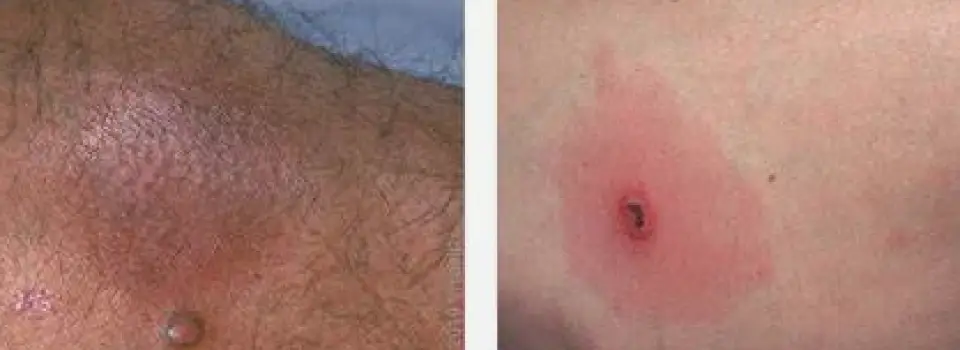
See how suspected spider bites may change over time, how black widow and brown recluse reactions differ, and which warning signs need medical care.
No product clears athlete's foot instantly, but OTC topical antifungals are the fastest evidence-backed option. Learn realistic treatment timelines, home-remedy limits, and when to see a clinician.
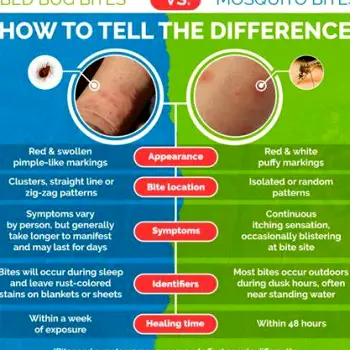
Compare bed bug and mosquito bites by timing, pattern, location, symptoms, home clues, relief, prevention, and when to seek care.

No single food guarantees clear or youthful skin. See which nutrient-rich foods belong in a practical skin-supportive diet and where the evidence stops.
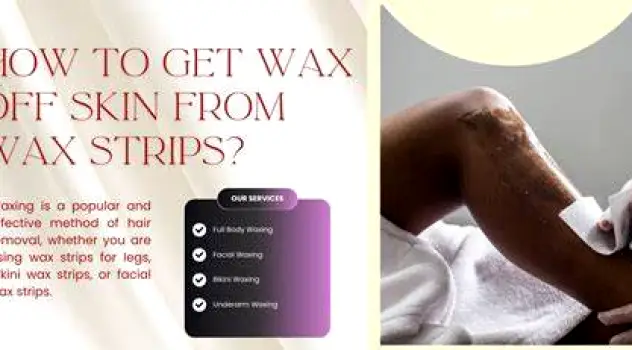
Find out how to remove leftover hair-removal wax gently, choose the right cleanup method, avoid skin damage, and recognize signs of a burn or lasting reaction.
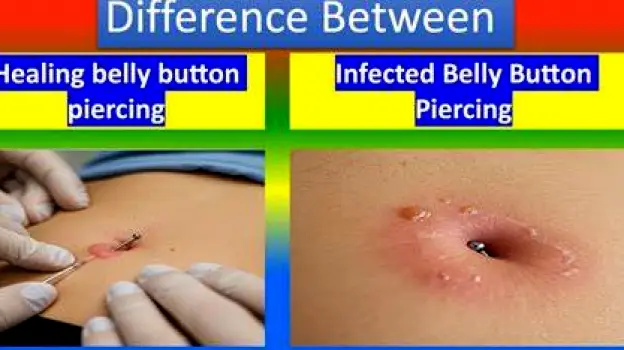
Find out how to recognize a possible infected navel piercing, distinguish it from normal healing or metal allergy, care for the area safely, and know when to seek medical help.
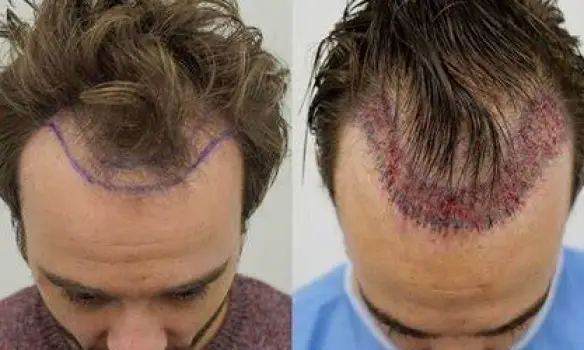
A realistic guide to hair transplant permanence: what lasts, why appearance can change, when growth becomes visible, how FUE and FUT differ, and why candidate selection and long-term planning matter.
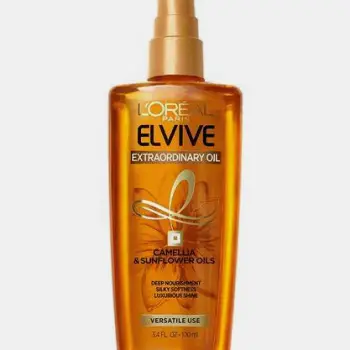
A practical guide to choosing oil for dry hair by strand thickness, texture, porosity, and intended use, with evidence-based context on coconut oil, lighter alternatives, application methods, buildup, and allergy precautions.

An evidence-based guide to natural approaches for suspected toenail fungus, explaining their limits, safer foot care, realistic timelines, recurrence prevention, and when diagnosis or prescription treatment is needed.
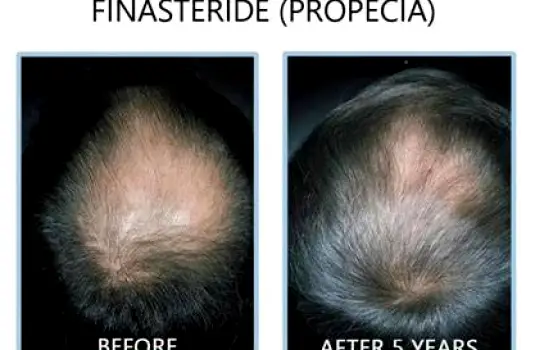
Evidence-based expectations for finasteride hair-loss results, including realistic timelines, how to judge before-and-after comparisons, why outcomes vary, treatment limitations, and safety considerations.
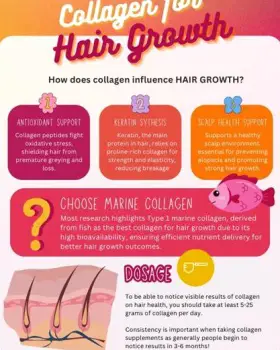
An evidence-based look at collagen supplements for hair growth and hair loss, separating plausible mechanisms and animal findings from human proof while explaining safety, product claims, and when thinning needs medical evaluation.
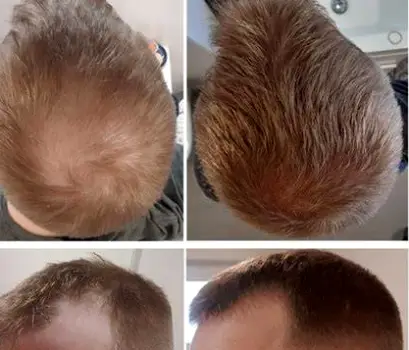
Finasteride can preserve hair and produce modest regrowth in some men with male pattern hair loss. This evidence-led guide explains realistic results, timing, treatment limits, combination therapy, safety, and what happens after stopping.
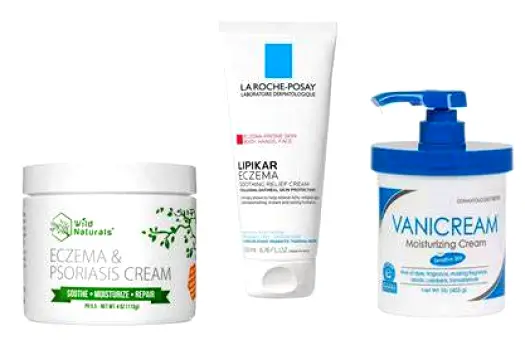
A practical, evidence-based guide to choosing eczema creams by product type, ingredients, body area and symptom severity, with special guidance for the face and hands and clear limits for self-treatment.
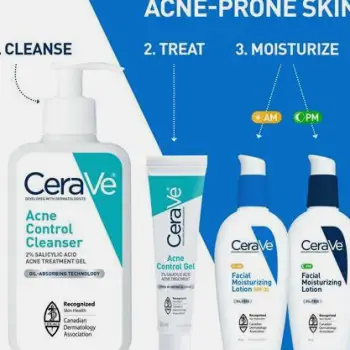
CeraVe can support acne-prone skin, but the right product depends on its active ingredient and your skin type. Compare salicylic acid, benzoyl peroxide and gentle cleansers, plus irritation risks and signs you need medical care.
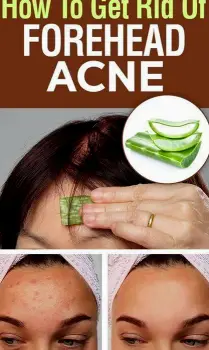
A practical, diagnosis-aware guide to forehead pimples and tiny bumps, covering likely triggers, a gentle routine, evidence-based acne ingredients, product changes, realistic timelines, and signs that warrant dermatologic care.
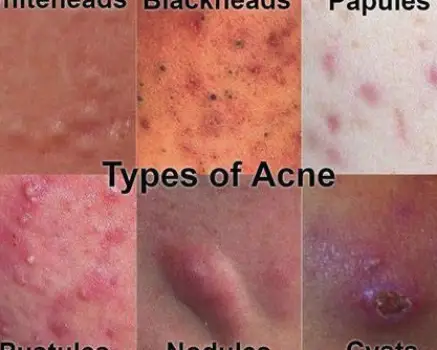
A practical guide to recognizing cystic acne, distinguishing deep cysts from other blemishes, understanding why they form, and knowing which treatments and warning signs warrant dermatologist care.
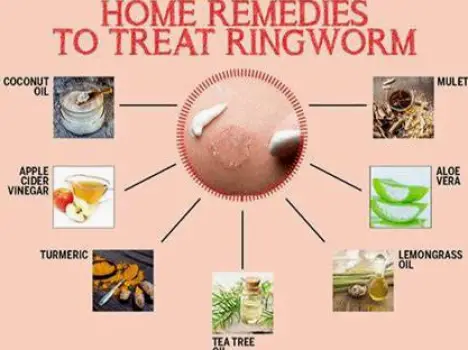
An evidence-led guide to ringworm care at home, explaining why unproven natural remedies should not replace antifungal medicine, how to limit spread, what to avoid, and when professional care is needed.
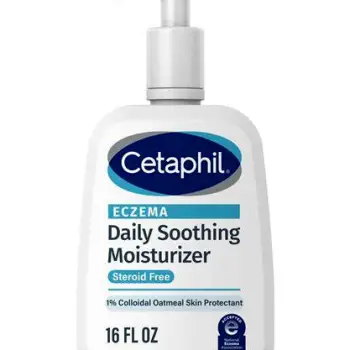
A dermatologist-informed guide to choosing and using moisturizer for dry, itchy skin, including useful formula types and ingredients, potential irritants, application technique, and signs that itching needs medical evaluation.

Most poison ivy rashes clear within one to three weeks, but onset and recovery vary. Understand the healing stages, why new spots can appear, what may delay recovery, and when symptoms need medical care.
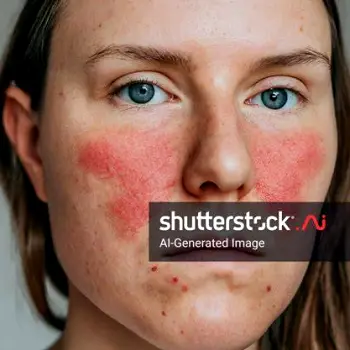
A practical guide to recognizing a butterfly-shaped facial rash, understanding why it does not automatically mean lupus, comparing common causes, and knowing how clinicians evaluate and treat it.

A practical, evidence-aware guide to choosing collagen for skin, comparing peptide types, animal sources, supplement forms, labels, testing, cost, and the limits of claims about hydration, elasticity, and wrinkles.
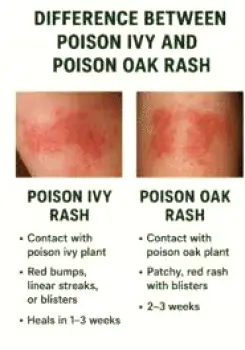
Compare poison ivy and poison oak rashes by appearance, timing, cause, and progression. Understand why the rashes look alike, what exposure clues reveal, how to respond safely, and when medical care is needed.
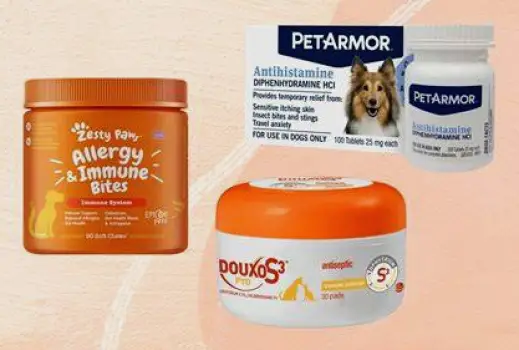
A veterinarian-centered comparison of allergy medicines for dogs with itchy skin, explaining how the cause and severity shape the choice among antihistamines, Apoquel, Cytopoint, Zenrelia, cyclosporine, steroids, and non-drug measures.
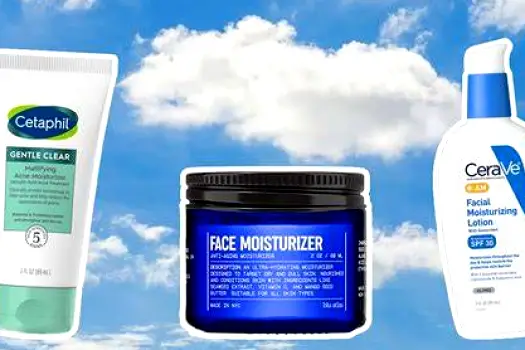
A practical guide to face moisturizers for acne-prone skin, with standout options for oily, dry, combination, sensitive, daytime, and treatment-dried skin, plus clear criteria for comparing formulas.

Can a raised mole be removed safely at home? This evidence-led guide explains why cutting, burning, acids, and removal products are unsafe, how to recognize warning signs, and what medical evaluation and removal involve.
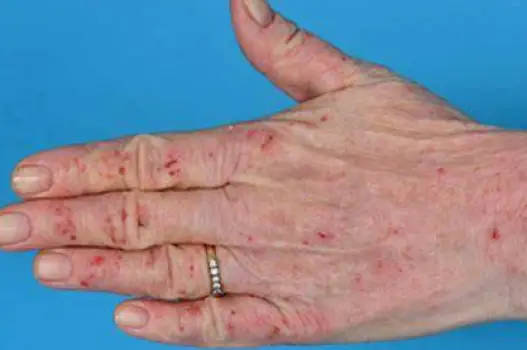
A practical visual-identification guide to hand eczema, including how it can look across skin tones and stages, where lesions occur, conditions that resemble it, and signs that warrant professional assessment.

Sudden facial oiliness can reflect hormones, weather, stress, skincare habits, or product changes. This dermatologist-informed guide explains likely triggers, how to avoid worsening the problem, practical routine adjustments, and when to seek care.
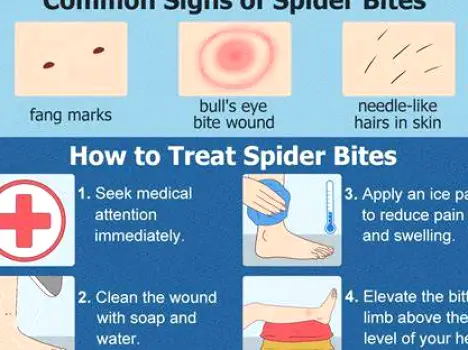
A practical guide to recognizing possible spider bites, understanding how skin changes may develop, distinguishing common mimics, and identifying symptoms that require prompt medical evaluation.
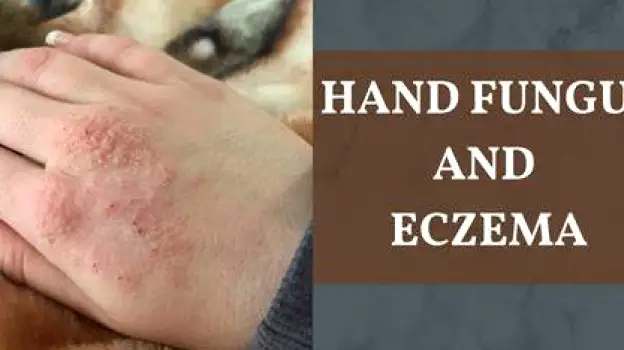
Hand fungus and hand eczema can both cause itchy, dry, cracked skin. This guide compares their typical patterns, explains why appearance alone is unreliable, and outlines diagnosis, treatment differences, and warning signs.
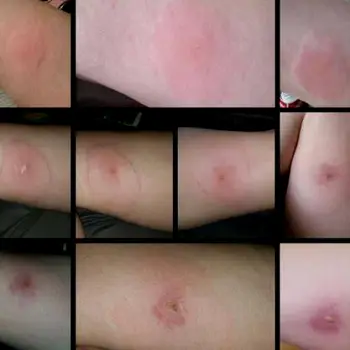
A cautious identification guide to parson spider bites, explaining what can and cannot be inferred from skin appearance, how to recognize the spider, and why concerning reactions require medical assessment.
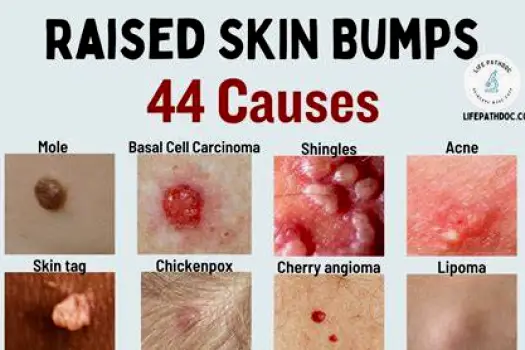
A practical guide to raised facial skin, using appearance, texture, symptoms, timing, and change to organize common possibilities, explain safe next steps, and highlight signs that need prompt medical assessment.
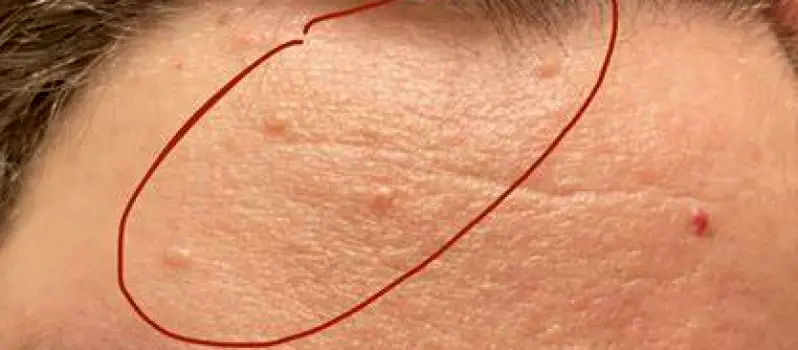
A practical guide to tiny skin-colored forehead bumps, including common acne and non-acne possibilities, clues that help narrow the cause, cautious self-care, treatment limits, and signs that warrant a dermatologist’s assessment.
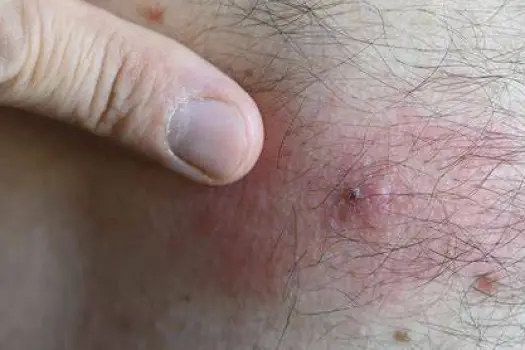
A practical guide to recognizing a typical tick bite, distinguishing local irritation from an expanding Lyme-related rash, removing an attached tick safely, monitoring changes, and knowing when symptoms need medical attention.
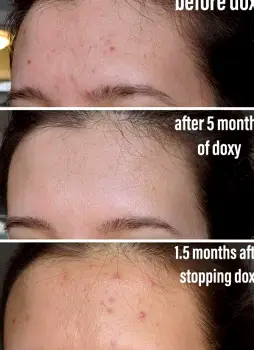
Doxycycline can reduce inflammatory acne by suppressing acne-associated bacteria and inflammation. This evidence-based guide explains who may benefit, realistic expectations, combination therapy, safe use, side effects, and when treatment needs reassessment.

Which essential oil is best for eczema? The evidence does not support a clear winner. Review the limited findings for kānuka oil, the risk of irritation or allergy, and why proven eczema care should remain central.
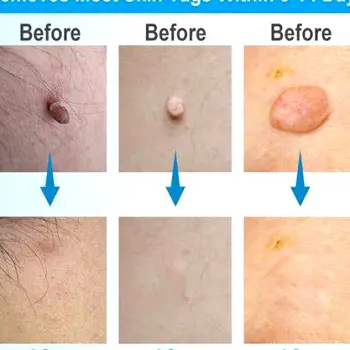
A practical U.S. guide to skin tag removal costs, including realistic 2025 price benchmarks, factors that change the bill, insurance considerations, treatment methods, and questions to ask before booking.

A practical guide to medicines linked with dry skin, how to judge whether a drug may be contributing, ways to protect the skin barrier, and when persistent, painful, or damaged skin needs professional review.

Compare Botox Cosmetic with Dysport, Xeomin, Jeuveau, Daxxify, and Letybo, including formulation, approved cosmetic uses, expected timing, safety, and why their potency units cannot be exchanged.