Can You Buy an Asthma Inhaler Over the Counter in the UK?
Asthma inhalers are not sold over the counter in the UK, but prescriptions, urgent refills and emergency supplies may be available without a routine GP visit.

Find articles about the lungs and airways, including breathing problems, respiratory conditions, symptoms, diagnosis, treatment, and healthy habits that support lung function.

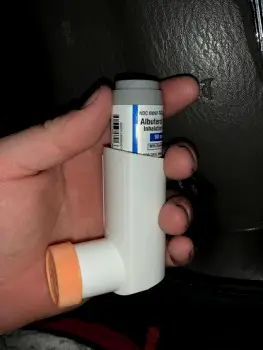
Asthma inhalers are not sold over the counter in the UK, but prescriptions, urgent refills and emergency supplies may be available without a routine GP visit.

Compare medicines for sore throat pain, cough, and allergy symptoms, Find out when antibiotics help, and review key safety and medical-care guidance.

Compare Mucinex D and Mucinex DM ingredients, symptoms treated, directions, warnings, interactions, and US purchase rules to choose safely.
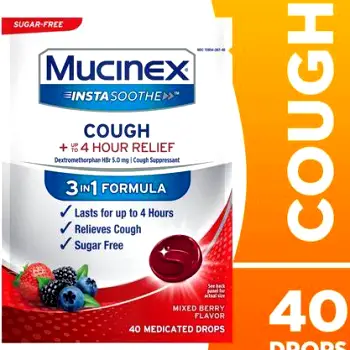
Compare adult cough medicines by cough type, active ingredient, evidence, and safety, with practical guidance on labels, interactions, and warning signs.
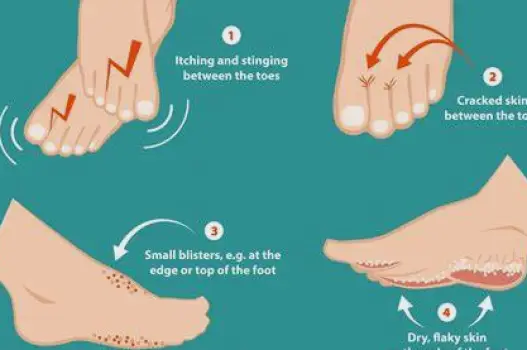
A practical guide to recognizing early athlete's foot, choosing proven antifungal treatment, keeping feet dry, and knowing when symptoms need medical care.
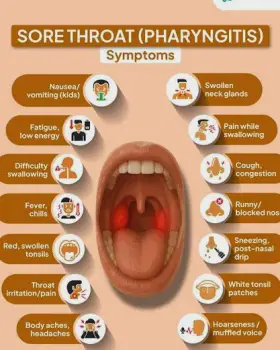
A clear guide to throat tightness: what it can feel like, common causes such as reflux, allergies, infections, anxiety, and thyroid enlargement, plus when to seek urgent care.
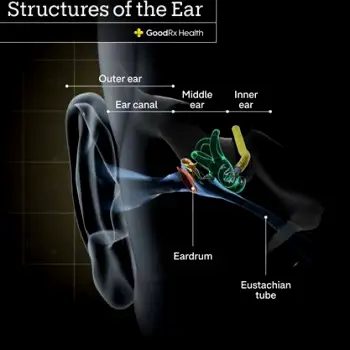
A clogged ear can come from eustachian tube dysfunction, congestion, earwax, fluid, pressure changes, or hearing issues. Learn safe relief and warning signs.
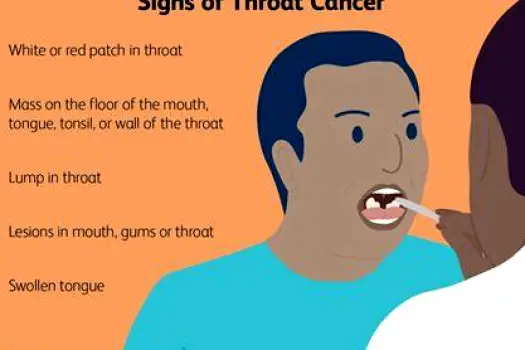
Discover what a home throat check can and cannot show, which warning signs matter, when to contact a clinician, and how throat cancer is diagnosed.

Find out how to remove blackheads on your nose safely, which skincare ingredients may help, what to avoid, and when to see a dermatologist.

A pill-like lump sensation may reflect swallowing difficulty or pill esophagitis. Learn likely causes, safe next steps, prevention, and warning signs.
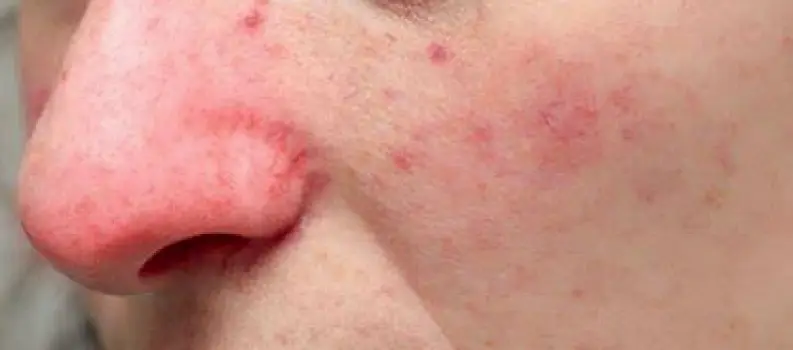
Why is my nose red? Explore common temporary triggers and skin conditions, clues that help distinguish causes, safe self-care, and when persistent or severe redness needs medical evaluation.

Discover what "increasing lung capacity" really means and which evidence-informed breathing, exercise, and lifestyle strategies can support better breathing-plus safety limits and when to seek medical care.
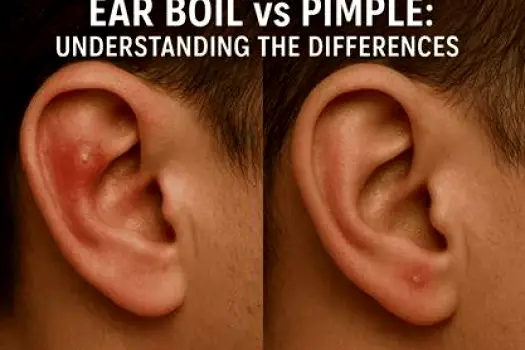
Ear boil vs. pimple: Find out how their causes, appearance, pain, home care, and warning signs differ, plus when an ear bump needs medical evaluation.

See which muscles lunges work, how forward, reverse, lateral and walking variations shift the emphasis, and how technique affects muscle recruitment.
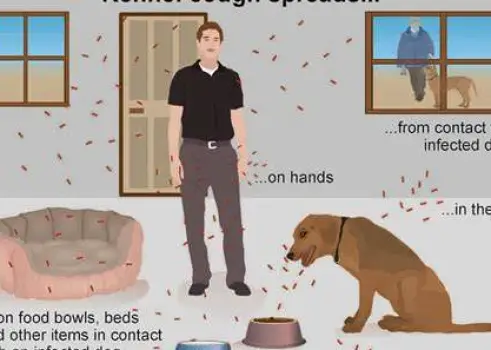
Can people catch kennel cough from dogs? See why human infection is rare, who may be more vulnerable, and sensible precautions after exposure.
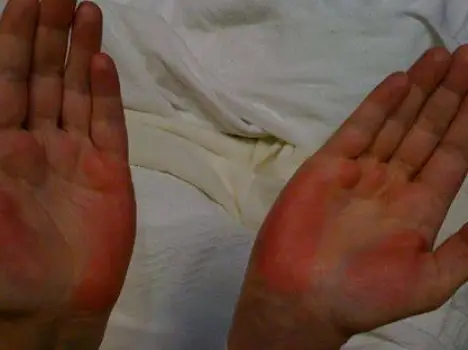
See what palmar erythema may look like, why red palms do not confirm early liver damage, which other signs matter, and when to seek medical care.
AirPods are not inherently harmful, but loud or prolonged listening can damage hearing. See safer volume habits, warning signs, settings, and other ear concerns.
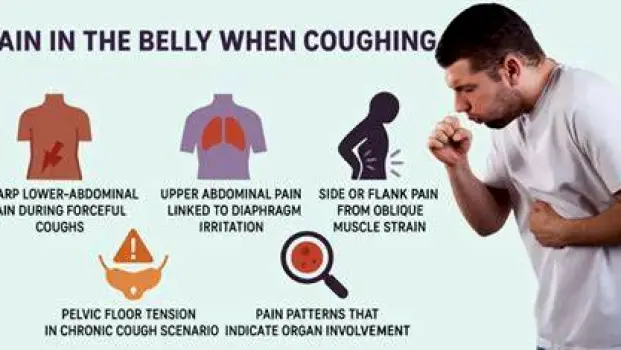
Abdominal pain with coughing may come from muscle strain, a hernia, or an underlying abdominal condition. Use pain location and warning signs to decide what to do next.
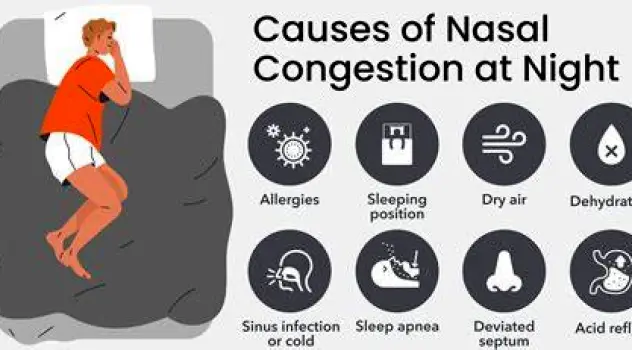
Nighttime nasal dryness often reflects dry bedroom air, irritation, allergies, or an existing nasal problem. This brief prioritizes cause-finding, cautious relief options, common misconceptions, and signs that warrant medical evaluation.

A medically grounded guide to how lungs recover after 20 years of smoking, what may remain permanent, the realistic recovery timeline, and when former smokers should seek evaluation or ask about lung cancer screening.
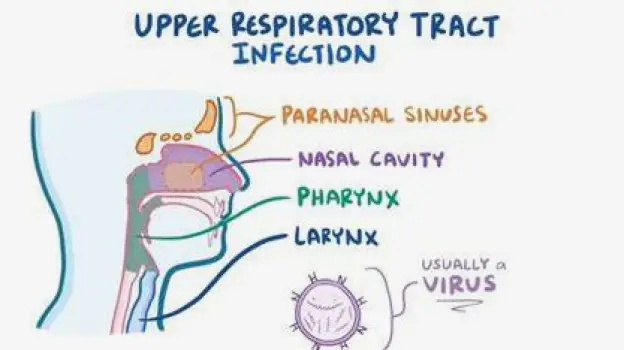
A practical guide to medications for upper respiratory infections, explaining which options may ease symptoms, when prescription treatment is appropriate, key safety limits, and signs that require medical care.
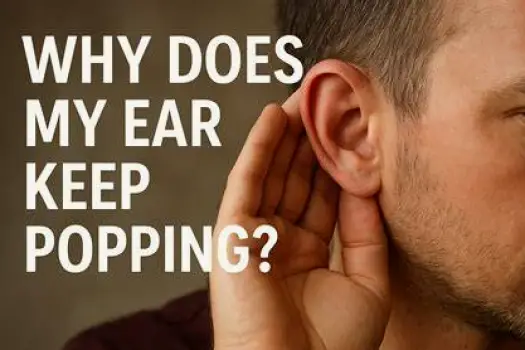
Ear popping is often normal pressure equalization, but persistent popping can reflect Eustachian tube dysfunction, earwax, infection, or a jaw disorder. This brief covers likely causes, safe relief, diagnostic clues, and warning signs.

Hepatitis does not cause one universal early-stage rash. This brief explains acute and chronic skin patterns, key differences among hepatitis types, treatment-related eruptions, diagnostic limits, and signs that warrant medical assessment.
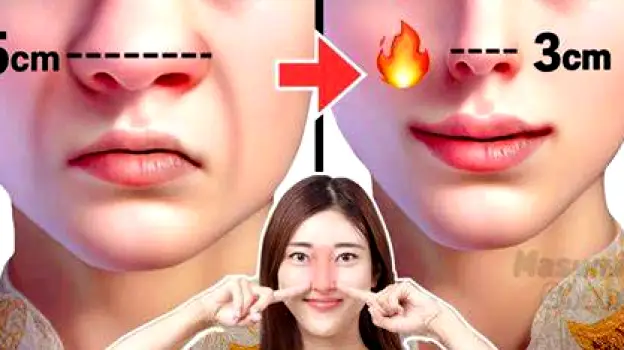
An evidence-based guide to whether exercises, ice, toothpaste, massage, or nose shapers can reduce nose size, plus the realistic limits and risks of makeup, fillers, and rhinoplasty.

What early-stage liver cancer may look like on ultrasound, why a visible liver nodule is not a diagnosis, and how risk history, surveillance, CT or MRI, blood tests, and sometimes biopsy guide the next step.
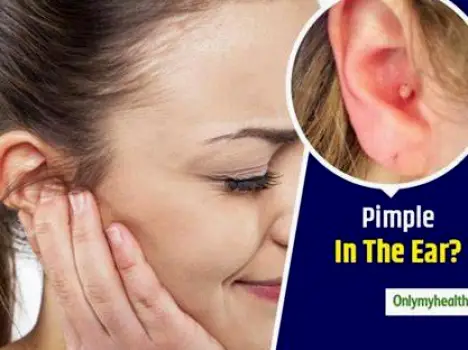
Why pimples form on or inside the ear, how location affects safe care, which bumps may be something else, and when pain, drainage, redness, fever, or hearing changes warrant medical evaluation.

A clinically cautious guide to facial rash in early infectious mononucleosis: typical appearance and timing, antibiotic-associated eruptions, accompanying symptoms, diagnostic limits, appropriate care, and warning signs.

A clear explanation of the waxy, worm-like material expressed from nose pores, how sebaceous filaments differ from blackheads, why squeezing is unhelpful, and how to manage visible pores without damaging the skin.
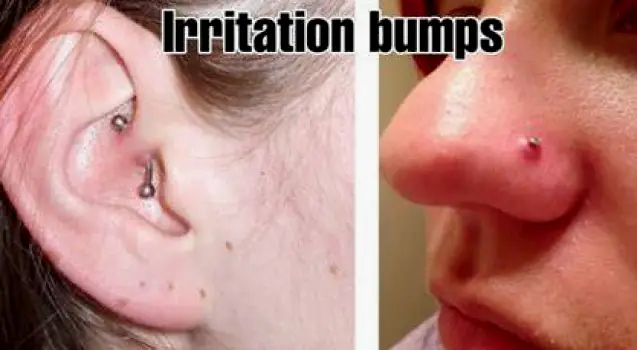
Understand whether a nose-piercing lump is an irritation bump, infection, hypertrophic scar, or true keloid, and what safe aftercare, professional assessment, and treatment may involve.

Understand where lung-related pain may be felt in the back, why location alone cannot identify the cause, which symptom patterns offer useful clues, and when back or breathing symptoms need medical evaluation.
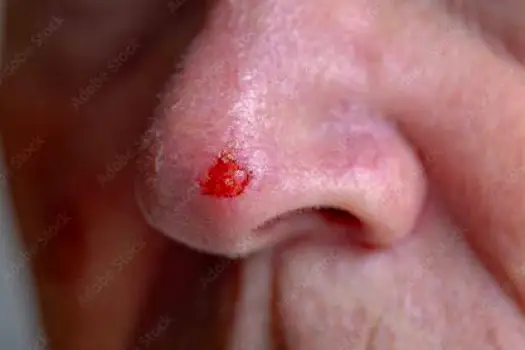
A practical guide to a persistent flat red spot on the nose, including benign possibilities, features that merit a skin examination, what to monitor, and how a dermatologist may establish the diagnosis.
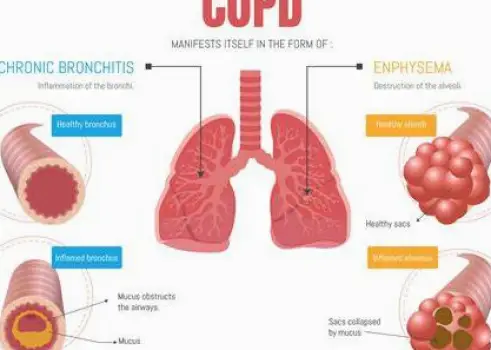
A medically grounded guide to end-stage COPD: what the term means, how advanced lung damage affects breathing and daily life, how care is tailored, and when palliative, hospice, or urgent support may be appropriate.
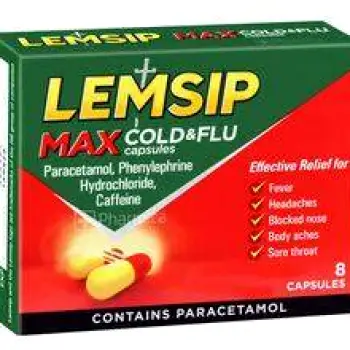
A careful guide to when Lemsip may begin easing cold and flu symptoms, how long relief may persist, why timing differs by product and symptom, and when to check the label, consult a pharmacist, or seek medical help.
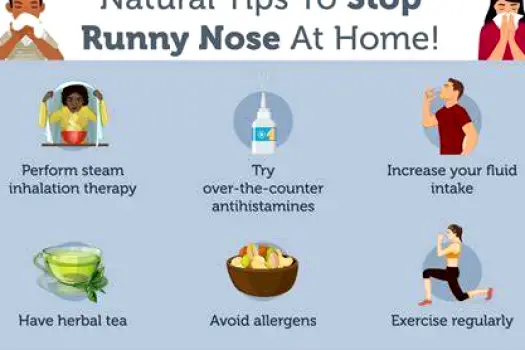
Practical, cause-based guidance for easing a runny nose, choosing appropriate self-care, using saline and over-the-counter products safely, and recognizing persistent or unusual drainage that needs medical attention.

A U.S.-focused guide explaining when asthma may qualify as a disability under the ADA, when severe asthma may support Social Security benefits, what evidence matters, and why legal protection does not automatically mean benefit eligibility.
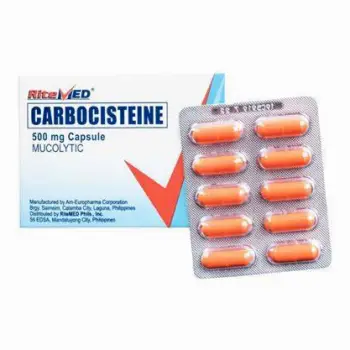
Carbocisteine is a prescription mucolytic used when airway mucus is excessive or unusually sticky. This guide explains its role, expected benefits, UK dosing context, precautions, side effects, and when urgent help is needed.
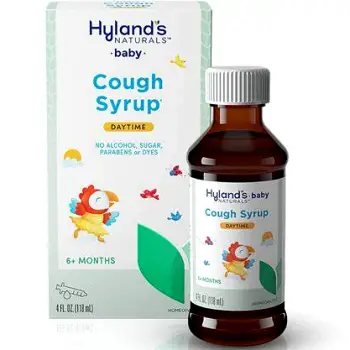
A safety-first guide to cough syrup for babies, explaining why medicated products are generally avoided, how product labels can mislead, which supportive measures may help, and which symptoms require prompt medical care.
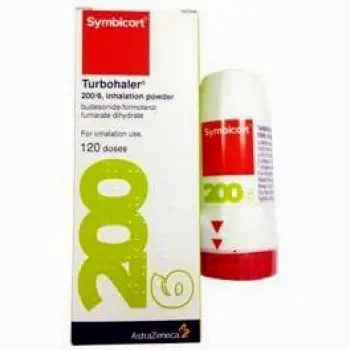
A UK-focused guide to Symbicort 200/6 Turbohaler covering its ingredients, asthma and COPD uses, prescribed regimens, correct inhalation technique, dose counter, side effects, precautions and signs that require urgent help.

Find out what causes a smoker's cough, why quitting is the most effective step, which measures may ease symptoms, how recovery varies, and when persistent or changing symptoms need medical evaluation.