
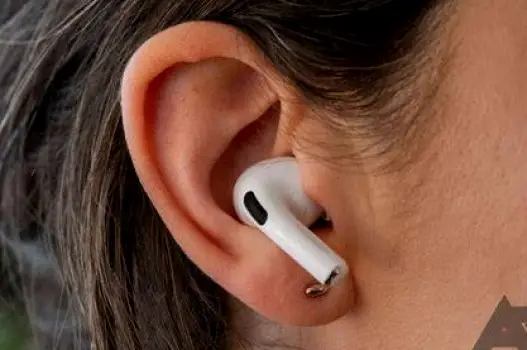
 h2>Are AirPods Bad for Your Ears?
AirPods are not inherently bad for your ears. The primary risk to hearing comes from how the device is used, specifically exposure to excessive sound levels over time, rather than the earbuds themselves.
Hearing damage typically results from a combination of volume and cumulative listening time. Regular exposure to loud or prolonged noise can permanently damage the sensory cells in the ear, leading to irreversible noise-induced hearing loss or tinnitus. Other concerns related to AirPods, such as fit, moisture, and skin irritation, are separate from hearing damage. Current evidence does not support the claim that Bluetooth earbuds cause cancer.
Understanding the difference between auditory risks and physical comfort issues helps clarify where precautions are actually needed.
How Loud Listening Can Damage Hearing
Hearing damage often develops gradually, making it difficult to notice until significant changes occur. The process begins when loud sounds fatigue the sensory cells in the inner ear. This fatigue can produce temporary hearing loss, often described as a muffled sensation, or tinnitus, which is a ringing or buzzing in the ears. These symptoms may resolve after a period of quiet, but they signal that the ear has been stressed.
Regular exposure to loud or prolonged noise can permanently damage these sensory cells and other structures. Once these cells are damaged, they do not regenerate, leading to irreversible noise-induced hearing loss or persistent tinnitus.
Damage may first affect the perception of high-pitched sounds or make it difficult to follow conversations in noisy settings, such as crowded restaurants or busy streets. Not every episode of tinnitus proves permanent injury; transient ringing after a loud concert, for example, is common. Persistent tinnitus can indicate hearing damage and may also have other causes. AirPods do not uniquely cause this problem; any sound source, including headphones, speakers, or environmental noise, can cause damage if the exposure is sufficiently loud and prolonged.
AirPods and Hearing Risk Quiz
How Volume and Listening Time Work Together
Hearing risk depends jointly on sound level, duration, and the frequency of exposure. Louder sounds sharply reduce the acceptable listening time before damage becomes likely. The World Health Organization provides reference limits to illustrate this relationship. For instance, exposure to 80 dB is generally considered safe for up to 40 hours per week, while exposure to 90 dB is limited to approximately four hours per week.
These figures are population-level reference points, not guarantees of safety for every individual. Some people may be more susceptible to hearing damage than others. A fixed percentage-volume rule, such as keeping devices at 60% of maximum volume, is only a practical proxy for safe exposure. The actual sound output in decibels varies significantly between devices, audio content, and how well the earbuds fit in the ear. Relying solely on a percentage setting without monitoring actual decibel levels may not protect everyone from excessive exposure.
How to Use AirPods More Safely
Adopting specific habits and utilizing built-in device features can help monitor and reduce sound exposure. The World Health Organization advises keeping device volume at no more than 60% of maximum and staying below an 80 dB average when monitoring sound levels. Users should limit time spent around loud sounds and take frequent quiet breaks to allow ears to recover.
Using well-fitted noise-cancelling headphones can also help. By blocking out background noise, noise-cancelling features reduce the urge to increase volume to overpower ambient sound, such as traffic or airplane engines. This often results in lower overall listening levels.
Compatible iPhones, iPads, and Apple Watches include features designed to support safer listening. These devices can show real-time headphone audio levels and notify users after they exceed recommended exposure limits, such as more than 80 dB for a cumulative 40 hours in seven days. The “Reduce Loud Audio” setting can automatically lower headphone audio that exceeds a user-selected decibel level. Feature availability, notification controls, and menu locations can vary by device, software version, and region. These tools assist in risk management but do not eliminate the need for mindful listening habits.
Fit, Moisture, and Skin Irritation
While hearing protection is the primary concern, physical comfort and skin health are also relevant when using in-ear devices. Apple advises wearing AirPods with a snug but comfortable fit to ensure proper seal and audio quality. Poor fit can lead users to increase volume unnecessarily.

Moisture, sweat, and personal-care products can affect the fit of the earbuds and may contribute to skin irritation. It is recommended to keep AirPods and the skin in and around the ear clean and dry, especially after workouts. Cleaning methods differ by AirPods model, so users should follow the specific instructions provided by Apple for their exact device.
If redness, swelling, itching, or other irritation develops, users should stop wearing the devices and consult a doctor before using them again. Claims that AirPods routinely cause ear infections or that sharing them necessarily transmits infections are not supported by general evidence. Individual skin sensitivities or improper hygiene can lead to local irritation that requires attention.

Do AirPods Cause Cancer?
The question of whether AirPods cause cancer addresses a common concern regarding wireless technology. Bluetooth headphones and earbuds emit non-ionizing radiofrequency signals. Unlike ionizing radiation, such as X-rays, non-ionizing radiation does not have enough energy to damage DNA directly.
Power levels emitted by Bluetooth earbuds are typically 10-400 times lower than those emitted by cellphones. The National Cancer Institute states that evidence to date suggests cellphone use does not cause brain or other cancers in humans. While this conclusion is based on cellphone data rather than specific lifetime-risk trials of AirPods, the fundamental physics of the exposure is similar. Current evidence does not support the claim that AirPods cause cancer. Acknowledge that scientific understanding evolves, but there is no established link between Bluetooth earbuds and cancer risk.
Warning Signs and When to Seek Help
Recognizing the signs of potential hearing damage or physical irritation is crucial for long-term ear health. The World Health Organization advises seeking professional assessment or a hearing check for specific persistent symptoms. These include persistent tinnitus, difficulty hearing high-pitched sounds, and difficulty following conversations.
Tinnitus can be transient after loud sound exposure, but if it persists or recurs frequently, it may indicate underlying hearing damage. Difficulty hearing high-pitched sounds or understanding speech in noisy environments can be early indicators of noise-induced hearing loss. These symptoms warrant a hearing check even if volume levels were kept within recommended limits, as individual susceptibility varies.
For physical symptoms, persistent redness, swelling, itching, or irritation in the ear or around the device should prompt a consultation with a clinician. If symptoms do not resolve with basic hygiene and rest, professional evaluation is necessary. These warning signs apply to any sound-producing device, not just AirPods, emphasizing the importance of listening to one's body and ears.
AirPods are not inherently bad for your ears; the main hearing risk comes from how they are used, specifically excessive sound levels over time. Hearing damage depends on sound level, duration, and frequency of exposure and can permanently damage sensory cells in the inner ear, leading to irreversible noise-induced hearing loss or persistent tinnitus. Temporary ringing or muffled hearing after loud noise can signal stress but does not necessarily mean permanent injury. Any sound source can cause damage if the exposure is loud and prolonged enough.
To reduce risk, the World Health Organization advises keeping device volume at no more than 60% of maximum and below an 80 dB average when monitoring sound levels, limiting time around loud sounds, and taking frequent quiet breaks. Well-fitted noise-cancelling headphones can help by reducing the urge to raise volume over background noise. Compatible Apple devices can show real-time headphone audio levels, notify users after recommended exposure limits are exceeded, and automatically reduce loud audio above a selected level, though feature availability varies by device, software version, and region; these tools assist risk management but do not replace mindful listening habits.
Physical concerns are separate from hearing damage. Poor fit can lead users to increase volume unnecessarily, and moisture, sweat, or personal-care products may contribute to skin irritation. Keep AirPods and the skin in and around the ear clean and dry, follow Apple's cleaning instructions for the specific model, and if redness, swelling, itching, or other irritation develops, stop wearing the devices and consult a doctor before using them again. Claims that AirPods routinely cause ear infections or that sharing them necessarily transmits infections are not supported by general evidence. Current evidence does not support the claim that AirPods cause cancer; Bluetooth earbuds emit non-ionizing radiofrequency signals, and evidence to date suggests cellphone use does not cause brain or other cancers in humans.
Seek professional assessment or a hearing check for persistent tinnitus, difficulty hearing high-pitched sounds, or difficulty following conversations, even if volume levels were kept within recommended limits, because individual susceptibility varies. Persistent redness, swelling, itching, or irritation in the ear or around the device should prompt consultation with a clinician if it does not resolve with basic hygiene and rest. These warning signs apply to any sound-producing device, not just AirPods.
Published by: World Health Organization
Published by: Centers for Disease Control and Prevention
Published by: Apple
Published by: National Institute on Deafness and Other Communication Disorders
Questions and feedback
Please leave out passwords, medical record numbers, insurance details, financial information, exact addresses, and any other confidential or directly identifying details from your message.