
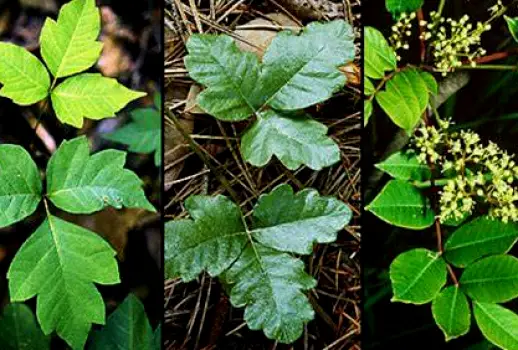
 h2>Poison Ivy vs. Poison Oak Rash at a Glance
Poison ivy and poison oak rashes are fundamentally identical in appearance because both plants produce the same allergenic oil, urushiol. This oil triggers an allergic contact dermatitis that manifests on the skin regardless of which specific plant caused the exposure. Because the biological reaction is the same, the resulting rash ordinarily cannot be distinguished by skin appearance alone. Visual differences in bumps, blisters, or redness are not reliable indicators for determining whether poison ivy or poison oak was the source.
The shared reaction typically involves intense itching, followed by redness, swelling, and fluid-filled blisters. In some cases, blisters may open and leak before crusting over. The timeline of symptoms also overlaps significantly. A person who has been previously sensitized may develop a rash within hours of contact. A first recognized reaction can take two to three weeks to appear. Once symptoms begin, clearing may take another two to three weeks, with first-time reactions sometimes lasting longer.

The rash is not contagious. Once the initial reaction has started, touching the rash or its blister fluid does not spread it to other body parts or to other people. Urushiol oil can persist on skin, clothing, tools, pet fur, or equipment long after exposure. If this residual oil is transferred to new skin areas, it can cause fresh outbreaks that may appear as spreading spots. This transfer from contaminated items is the primary reason the rash seems to expand, rather than an internal spreading of the allergen.
While the rashes are visually indistinguishable, exposure context can provide clues. Poison ivy commonly grows as a vine or shrub and typically features leaves in groups of three. Poison oak generally has oak-shaped leaves, also often in groups of three, and can appear as a shrub or vine. Geographic location and recent outdoor activities help narrow down likely plant sources. Because other skin conditions can mimic these reactions, visual identification of the rash is insufficient for determining the cause of the dermatitis.
What Both Rashes Typically Look and Feel Like
The shared urushiol-induced reaction is defined by intense itching, redness, swelling, and raised bumps. The hallmark of allergic contact dermatitis from these plants is the development of fluid-filled blisters. These blisters may open and leak before eventually drying and crusting over. The intensity of itching and the extent of the rash vary significantly among individuals, depending on the amount of oil exposure and the person's level of sensitivity.
Streaks or linear patterns often appear on the skin, but these are not unique to either plant. They typically reflect how urushiol brushed across the skin surface, depositing the oil in lines rather than in a uniform patch. A red, blistering, or linear rash alone does not confirm a poisonous-plant cause, as other dermatological conditions can produce similar appearances. Visual identification of the rash pattern is therefore unreliable for determining which specific plant was responsible.

Appearance can also vary based on skin tone. In people with darker skin, the redness may appear purple, dark brown, or gray rather than bright red. Swelling and blistering remain consistent features regardless of pigmentation, but the color contrast with surrounding skin may be less obvious.
A less common presentation involves black spots or streaks with little or no redness or swelling. Known as black-spot poison-ivy dermatitis, this variant demonstrates that the reaction does not always follow the typical pattern of intense redness and blistering. This variability further limits the usefulness of visual cues in distinguishing between poison ivy and poison oak, reinforcing that both cause the same underlying allergic response.
Can the Rash Reveal Which Plant Caused It?
A rash alone ordinarily cannot identify whether poison ivy or poison oak was the source. Both plants contain urushiol, the same allergenic oil that triggers identical allergic contact dermatitis. Because the biological reaction is the same, the resulting skin presentation does not carry visual markers that distinguish one plant from the other. The same intensity of itching, redness, and blistering can result from contact with either species. Visual identification of the rash pattern is insufficient for determining which specific plant caused the reaction.
To determine likely exposure, focus on the context of the contact rather than the skin's appearance. Review where the rash appeared and what activities occurred in the days leading up to symptoms. Did you hike in an area with distinct vegetation? Did you handle firewood, brush, or gardening tools that may have been contaminated? Even if you did not see the plant directly, residual urushiol on clothing, equipment, or pet fur can transfer to the skin later, creating a rash in an area that never directly touched a leaf.
Plant identification remains the most reliable way to distinguish between the two sources. Poison ivy commonly features leaves grouped in threes and can grow as a vine or a shrub. Poison oak generally has leaves that resemble oak leaves, also typically grouped in threes, and can appear as a shrub or a vine. The form and distribution of these plants vary by region, so knowing local flora helps clarify which species you were likely encountering. If you can safely identify the plant in your environment, that exposure history provides a stronger clue than the resulting rash.
Visual identification of the plant is not always possible or safe. Many other skin conditions, such as contact dermatitis from other allergens, insect bites, or fungal infections, can mimic the appearance of poison ivy or poison oak rash. Because of this overlap, a clinician may need to evaluate the rash if the cause is unclear or if symptoms do not follow the expected pattern. Relying solely on the look of the rash to confirm exposure is unreliable; combining exposure context with plant recognition offers a more accurate assessment.
Poison Ivy & Poison Oak Knowledge Check
How the Rash Changes From Exposure to Healing
The progression of a poison ivy or poison oak rash follows a distinct timeline that reflects the body's allergic immune response. The reaction typically begins with intense itching, which is often the first sign that the skin is reacting to urushiol oil. This is followed by the appearance of redness, swelling, and raised bumps. As the immune response intensifies, fluid-filled blisters often develop. These blisters may eventually open, leak, and then dry to form crusts as the skin begins to heal.
The timing of these symptoms varies significantly based on prior exposure. In individuals who have been previously sensitized to urushiol, the reaction can appear within hours of contact. For a first-time recognized reaction, it may take two to three weeks for symptoms to manifest. This delay occurs because the immune system requires time to recognize the allergen and mount a defense. Once symptoms begin, the rash typically persists for about two to three weeks. First-time reactions, however, may last longer as the body processes the allergen for the first time.
It is common for new spots to appear over several days, creating the illusion that the rash is actively spreading. This does not indicate that the reaction is worsening internally or that the allergen is moving through the body. Different areas of skin may react at different times depending on the amount of oil present and the local immune response. Because onset and healing times depend on individual sensitivity, the volume of exposure, and the specific site of contact, it is not possible to predict an exact date for clearance. The healing process is gradual, and the timeline should be viewed as a range rather than a fixed schedule.
Why New Spots Appear and Whether the Rash Is Contagious
A common concern during a poison ivy or poison oak reaction is the appearance of new spots on the skin. An established rash is not contagious. The blister fluid itself does not contain urushiol and cannot spread the dermatitis. Touching the rash or the fluid from its blisters does not transmit the allergic reaction to other parts of the body or to other people. The idea that the rash “spreads” through contact with its own oozing is a misconception.
The perception of spreading typically arises from two distinct factors. First, the immune response can be staggered. Different areas of skin may react at different times depending on the amount of urushiol oil present and the local sensitivity of that specific skin site. New bumps or blisters may emerge over several days even after the initial exposure has ended. This delayed reaction in previously contaminated areas creates the illusion of an expanding eruption.
Second, the rash may appear to spread due to the transfer of residual urushiol oil. This potent allergen can remain active on skin, clothing, gardening tools, pet fur, or equipment long after the initial contact. If these contaminated items are not cleaned, the oil can be transferred to new areas of the body, causing fresh outbreaks that mimic a spreading rash. Unlike the fluid from blisters, this residual plant oil is the actual source of new exposure and subsequent symptoms. Any new spots appearing after the first few days are likely due to delayed immune reactions or re-exposure to contaminated objects, not the contagious nature of the rash itself.
Immediate Steps and Symptom Relief
Prompt cleaning is the most effective initial action after suspected contact with poison ivy, poison oak, or poison sumac. Washing exposed skin with soap and cool water as soon as possible helps remove residual urushiol oil before it fully penetrates the skin barrier. This step is critical for limiting the severity and extent of the resulting rash. Contaminated clothing, boots, gloves, gardening tools, and other items should also be cleaned thoroughly. Because urushiol oil can persist on surfaces and fabrics, failing to clean these objects can lead to repeated exposure and new outbreaks even after the initial skin contact has ended.
For symptom relief, several over-the-counter measures can help manage intense itching and inflammation. Cool wet compresses applied to the affected areas can provide soothing relief. Calamine lotion and colloidal oatmeal baths are also commonly used to calm irritated skin and reduce discomfort. Nonprescription hydrocortisone cream may be applied to localized areas to help reduce inflammation and itching. While these measures can provide significant comfort, they do not eliminate an established allergic reaction instantly. Readers should follow product labeling instructions carefully and consult a clinician or pharmacist if they are uncertain about the suitability of these treatments for their specific situation.
Scratching the rash should be avoided. Broken skin from scratching can introduce bacteria and lead to a secondary infection. Signs of infection, such as increased redness, warmth, pus, or worsening pain, indicate that medical assessment is needed. If the rash is extensive, involves sensitive areas like the face or genitals, or fails to improve with home care, consulting a healthcare provider is recommended to discuss further treatment options.
When to Seek Medical Care
Recognizing when a poison ivy or poison oak rash requires professional intervention is critical for preventing complications and ensuring appropriate treatment. While many cases resolve with home care, certain symptoms indicate the need for prompt clinical assessment or immediate emergency services.

Emergency care is required if exposure leads to difficulty breathing or swallowing. These are signs of a severe systemic allergic reaction that can rapidly become life-threatening. Immediate medical attention is also necessary if there is marked swelling involving the face, lips, tongue, or eyes. Swelling in these areas can obstruct airways or impair vision, necessitating urgent evaluation by a healthcare professional.
For non-emergency situations, routine medical assessment is warranted under several conditions. If the rash is extensive or covers a large percentage of the body, a clinician may prescribe stronger treatments than are available over the counter. Involvement of sensitive areas, such as the eyes, mouth, or genitals, also requires professional evaluation due to the risk of significant discomfort and potential tissue damage.
A secondary bacterial infection is a common complication, often resulting from scratching. Signs of infection include increased redness, warmth, pus formation, or worsening pain. If these symptoms develop, or if the rash fails to improve after several days of home care, a healthcare provider should be consulted. They can determine whether antibiotic treatment is needed or if alternative therapies are appropriate. Avoid self-diagnosing infections or attempting to treat severe cases with unverified remedies, as improper management can prolong healing and increase the risk of scarring or further complications.
Preventing Another Urushiol Exposure
Preventing future reactions requires recognizing hazardous plants and minimizing direct or indirect contact with urushiol oil. Knowledge of local flora is the first line of defense. Poison ivy typically features leaves grouped in threes and can grow as a vine or shrub. Poison oak generally has oak-shaped leaves, also commonly in groups of three, and can appear as a shrub or vine. Identifying these plants before touching them is far safer than relying on symptoms after exposure. When engaging in outdoor activities such as hiking, gardening, or yard work, wearing protective clothing that covers exposed skin can reduce the risk of oil transferring to the body.
If contact is suspected, immediate cleaning is essential. Wash exposed skin with soap and cool water as soon as possible to remove residual oil. Contaminated clothing, boots, gloves, tools, and equipment should be cleaned thoroughly to prevent re-exposure. Because urushiol can persist on surfaces and fabrics, failing to clean these items can lead to new outbreaks. Pet fur can also carry the oil, so bathing animals that have been in affected areas may be necessary to protect household members.
A critical safety rule is to never burn poison ivy or poison oak. Burning these plants aerosolizes the hazardous urushiol oil, which can be inhaled and cause severe respiratory problems. Inhalation exposure is dangerous and can affect the lungs even if the skin was not directly touched. Proper disposal of plant material in sealed bags is the safe alternative.
Do not assume immunity based on past experiences. Some individuals may have been exposed to urushiol without developing a rash, yet their immune system can still become sensitized. A previous exposure without symptoms does not guarantee that future contact will be harmless. Maintaining awareness of plant identification and exposure risks is the most effective strategy for preventing another allergic reaction.
Poison ivy and poison oak cause the same allergic contact dermatitis because both contain the oil urushiol, so the resulting rash cannot be distinguished by appearance alone; it typically features intense itching, redness, swelling, and fluid-filled blisters that may open, leak, and crust, with onset ranging from hours in sensitized individuals to two to three weeks for a first reaction and a similar healing period.
The rash is not contagious, and new spots usually appear due to delayed immune responses or re-exposure to urushiol that remains on clothing, tools, pet fur, or skin; immediate washing with soap and water and thorough cleaning of contaminated items prevents spread, while cool compresses, calamine, oatmeal baths, or hydrocortisone can relieve symptoms. Seek medical care for breathing difficulty, facial swelling, extensive or facial/genital involvement, or signs of infection, and avoid burning the plants to prevent aerosolized oil exposure.
Published by: U.S. National Library of Medicine
Published by: Mayo Clinic
Questions and feedback
If the rashes look identical, is there any benefit to knowing whether it was poison ivy or poison oak?
Distinguishing between the two plants does not change treatment, as both cause the same urushiol-induced reaction managed identically. Identifying the specific plant in your environment can help you recognize and avoid future exposures more effectively.
Please leave out passwords, medical record numbers, insurance details, financial information, exact addresses, and any other confidential or directly identifying details from your message.